
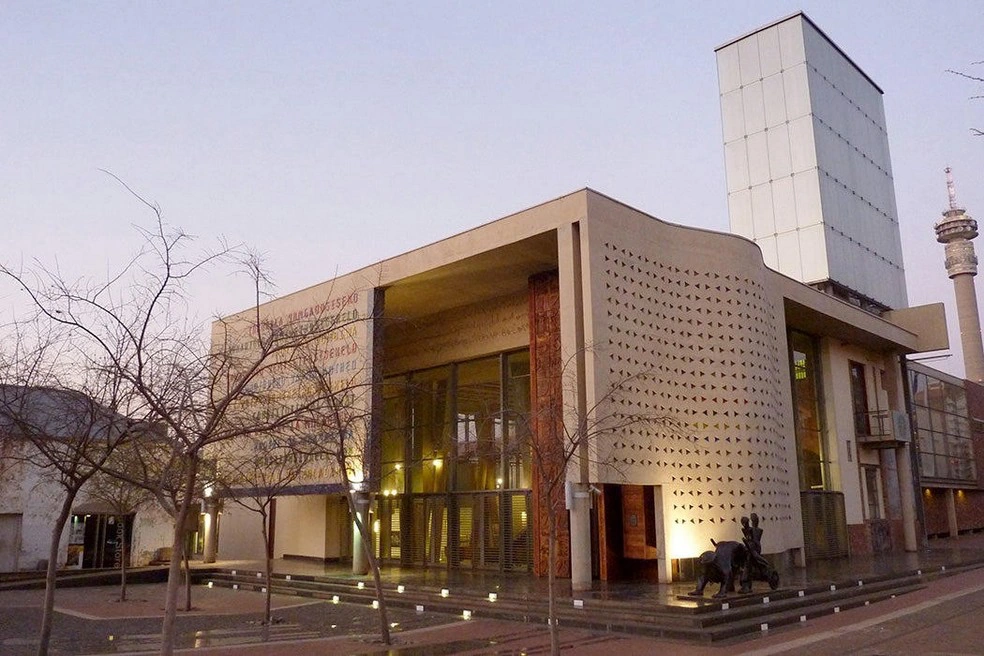
Dusk at Constitution Hill. The roll will still be there tomorrow. You do not have to carry every file home in your chest.
Issue 01 opened this file. Issue 02 keeps it open on purpose. Vicarious trauma is not a wellness poster. It is what happens when a children’s-court enquiry sits before tea, a sexual-offence trial sits after tea, and a protection order sits at four o’clock, and the officer is then expected to drive home as if the day were ordinary. Add a salary that does not match the responsibility, a security scare at the entrance, and a country watching a commission into the criminal-justice system on live television, and “resilience” becomes sleeplessness, irritability on the bench, isolation from family, debt, and, for some colleagues, quiet despair.
JASA’s position has not softened. Judicial mental health is part of section 165(4) — the duty to protect the effectiveness and the dignity of the courts. A reserved judgment that never comes is a public-confidence problem. A hearing that is sharp because the officer has not slept is a public-confidence problem. Section 10 of the Constitution (dignity) and S v Makwanyane 1995 (3) SA 391 (CC) are not only for the person in the dock. They are for the person on the bench.
Please keep these numbers in your drawer
SADAG 24-hour line 0800 567 567 or SMS 31393. If you are in immediate danger, call 10111. A conversation with a trusted colleague or a registered counsellor is not a disciplinary event. It is how a bench stays human. The Magistrates’ Commission is not SADAG. Do not confuse a cry for help with a complaint.
Practical things we can still do without a circular from head office: do not leave a junior colleague alone with a week of GBV trials; take a real lunch; send the reserved-judgment list home at a decent hour; if a colleague’s tone on the bench has changed, ask once, kindly, off the record. The preferred circle remains C — tea and a walk — not a WhatsApp diagnosis.