
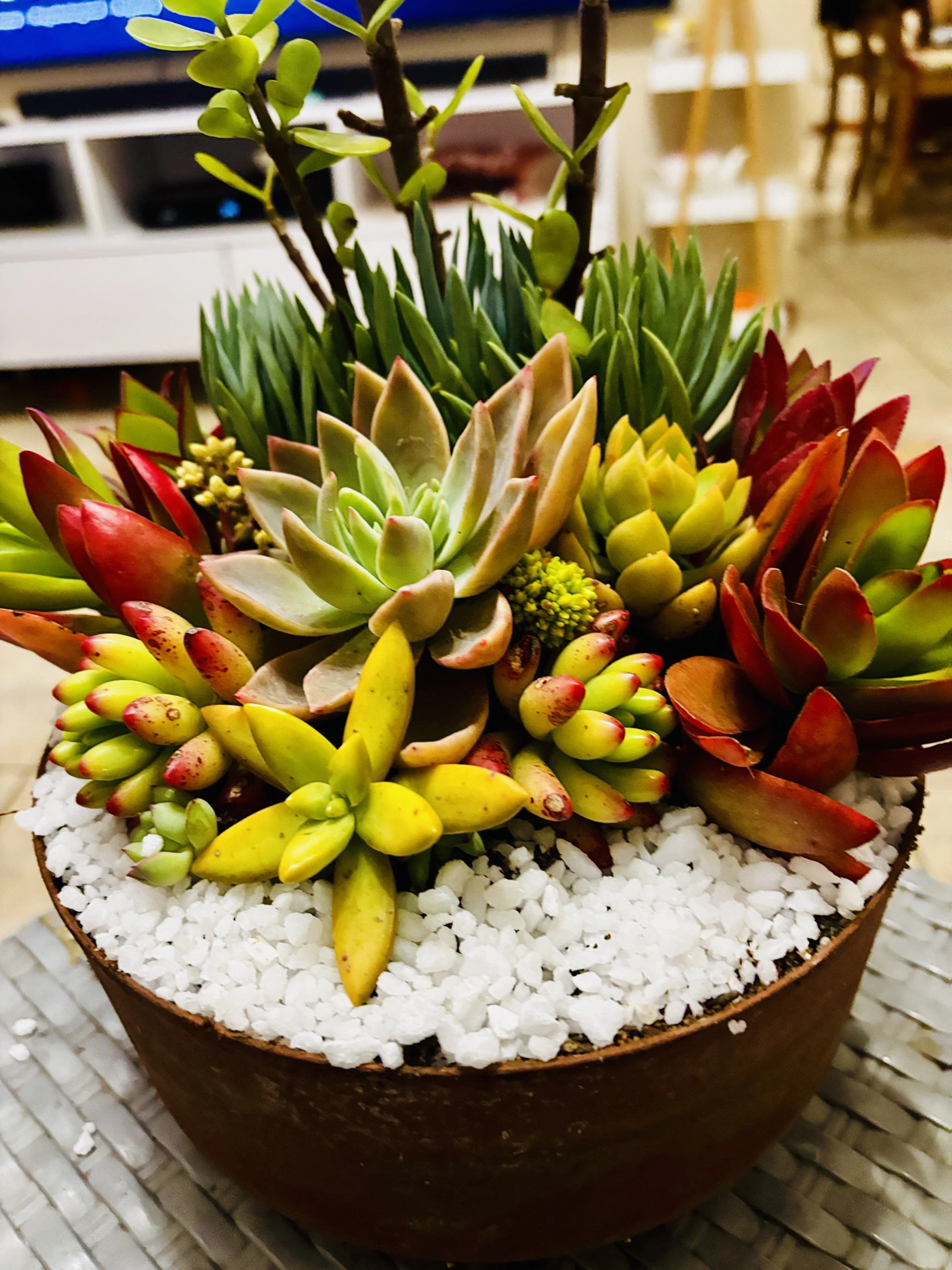
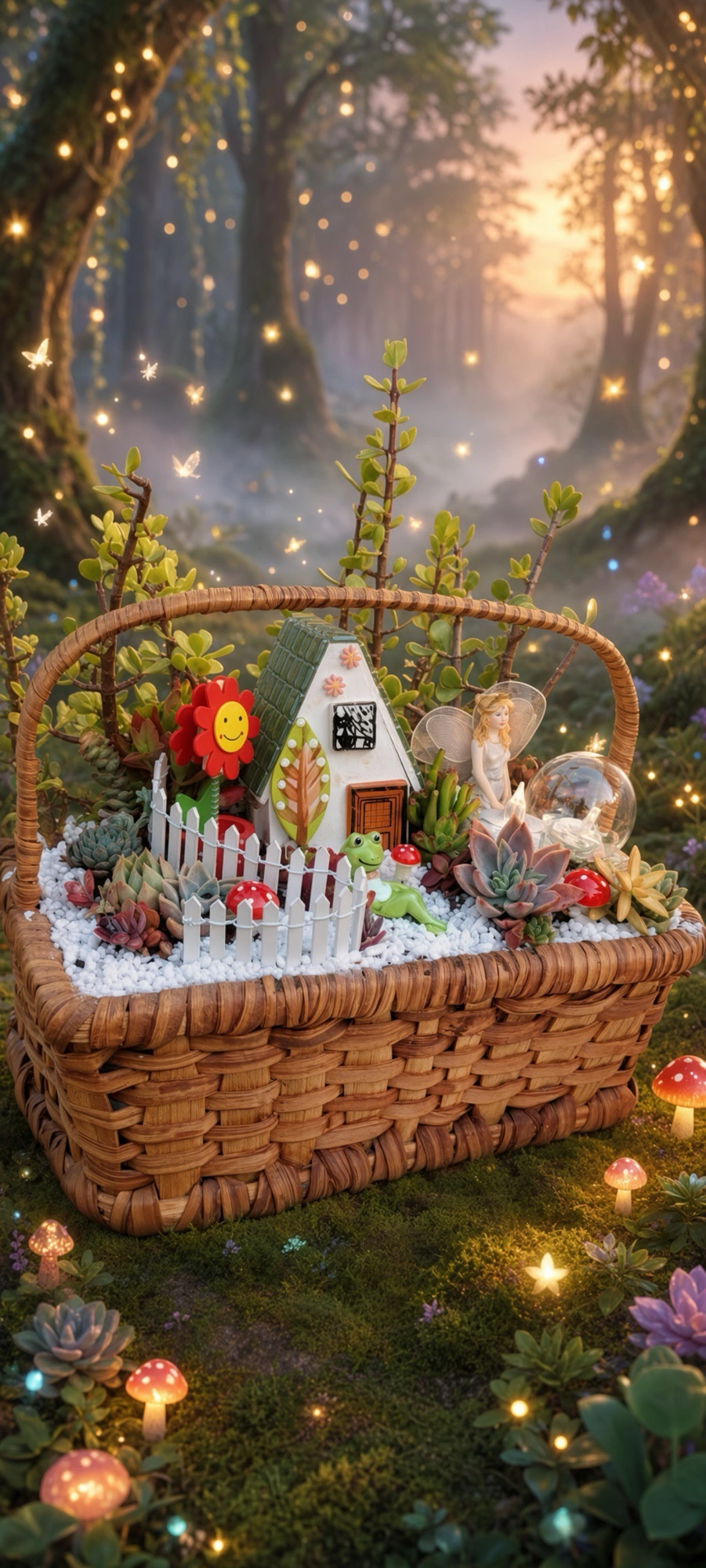
Left: a living bowl of colour on a South African table. Right: a fairy garden — craft, plants, and a reminder that chambers can hold more than files.
Section 24 of the Constitution is not a nature-reserve clause. Everyone has the right to an environment that is not harmful to health or well-being, and to have the environment protected for the benefit of present and future generations. The National Environmental Management Act 107 of 1998 and the Biodiversity Act 10 of 2004 (NEMBA) are the statutes that turn that sentence into a docket. Indigenous succulents sit at the junction of those statutes, the Customs and Excise list, and a global appetite that has turned the Succulent Karoo into a crime scene with a Latin name.
The plants that are also a case
South Africa is one of the world’s succulent capitals. Haworthia, Gasteria, Lithops, many Aloe and Conophytum species, and the humble spekboom (Portulacaria afra) are not garden-centre curiosities. They are indigenous genetic material. Poaching of rare succulents — often for export through apparently ordinary nurseries and postal parcels — has become a specialised environmental offence. Permits under NEMBA are not paperwork for enthusiasts. They are the difference between a lawful collection and a scheduled species leaving the country in a padded envelope.
A magistrate who sits in the Northern, Western or Eastern Cape will see these files. A magistrate in Durban or Johannesburg will see them too, because the parcel does not respect provincial borders. Ask for the species list. Ask whether the nursery is registered. Ask whether the “garden variety” on the invoice is in fact a listed Conophytum. Environmental law is not only rhinos. It is also a plant the size of a thimble that took forty years to grow on a quartz patch outside Steinkopf.
Nurseries, craft, and why a plant belongs in chambers
A lawful South African nursery is part of the answer. Spekboom hedges, locally grown aloes, a bowl of mixed succulents on white stone — these are not a retreat from the law. They are how a household, a school and a court building participate in the s 24 duty without waiting for a policy paper. Creative arts belong in the same paragraph. A fairy garden in a basket, a Saturday spent potting, a colleague who paints or sews or arranges flowers for a shelter fundraiser, is doing wellness work that no circular has yet managed to invent. Plants make a room human. Craft gives the hands something to do after the hands have signed too many orders.
JASA’s spring suggestion is modest and slightly stubborn. Buy from a nursery that can tell you the Latin name. Do not take a plant from the veld. Put one living thing where you write reserved judgments. If a local rescue or a small nursery is raising funds this month, take a colleague with you. The Constitution will still be there when you get back. It may even read more clearly.