
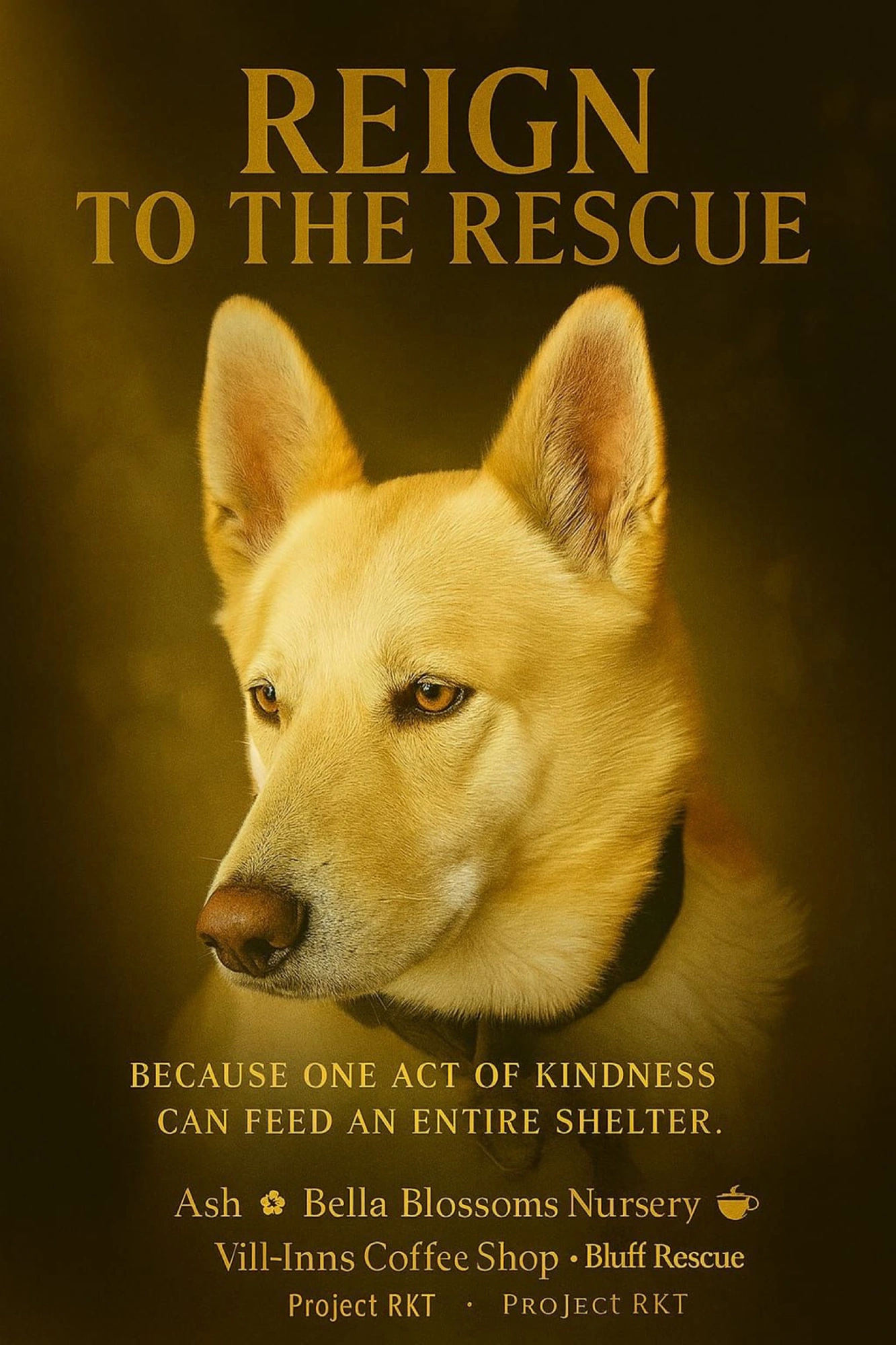
Every magistrate in this country has met an animal that could not speak, and a human being who spoke too easily. A neglected dog. A backyard breeder. A cockfight behind a tavern. A donkey on a road. The Animals Protection Act 71 of 1962 is old. It is also still the workhorse of the district court. Section 2 still makes it an offence to ill-treat, neglect, or confine an animal in a way that causes unnecessary suffering. The SPCA Act 169 of 1993 did something the 1962 Act could not do alone: it built a statutory society with inspectors, and it gave that society a job the State does not always finish.
The case that belongs in the top drawer
In National Society for the Prevention of Cruelty to Animals v Minister of Justice and Constitutional Development [2016] ZACC 46 the Constitutional Court, in a unanimous judgment of Khampepe J, held that the NSPCA has the statutory power of private prosecution under s 6(2)(e) of the SPCA Act read with s 8 of the Criminal Procedure Act.
Kindness is not a side project.
One act can still feed a shelter.
The NPA’s decision not to prosecute is not the last word when a statutory guardian of animals is left holding the file. The Court did more than settle a procedural quarrel. It said, in language a magistrate can use on a Monday morning, that animals are not mere things. They have an intrinsic value. Guardianship of that value is part of our moral and legal community. Three years earlier, in NSPCA v Minister of Agriculture, Forestry and Fisheries [2013] ZACC 26, the same Court had already refused to treat animal-welfare regulation as a minor administrative courtesy. The 2019 Pretoria judgment in National Council of the SPCA v Minister of Environmental Affairs [2019] ZAGPPHC 337 (the lion-bone quota review) then joined animal welfare to environmental decision-making under s 24 of the Constitution. The quota could not be set as if suffering were an externality.
What this means on the district roll
• Charge properly under the Animals Protection Act. Photograph. Weigh. Record the water bowl. A conviction that rests on a vague “the dog looked thin” will not survive appeal.
• Do not treat an SPCA inspector as a nuisance visitor. They are a statutory actor. Their evidence is often the only evidence.
• Where the NPA declines to proceed and the NSPCA is the complainant, remember ZACC 46. Private prosecution is not a curiosity. It is the Court’s answer to institutional fatigue.
• Sentencing is not only a fine that a backyard breeder budgets for. Consider forfeiture, a prohibition on keeping animals, and — where the facts allow — a period of imprisonment that tells the gallery the living thing in the photograph was not a footnote.
Spring is a good month to remember that the Constitution’s dignity clause did not close the courtroom door on the creature that cannot sign an affidavit. Ubuntu is not only a human word. A bench that can see a child, and cannot see a dog left in the sun, has narrowed its eyes.